Saturday, February 21, 2015

DEBBIE OKUN HILL


Respond to this post by replying above this line

New post on Kites Without Strings

Poetry Contests: Is It Poetic Gambling?

by d78hill

A poet’s husband once won a trip for two to St. Lucia. I call that luck! For me, buying a lottery ticket is like throwing cash into a burning roulette wheel. It’s a waste of money unless you want to support a good cause like the Canadian Cancer Society or need a stocking stuffer or a compact gift for a friend or relative who enjoys playing bingo or a scratch version of crossword.
Let’s face it, how many of us are going to win a million dollars or a dream home during our life? What would a poet even do with that kind of cash?  Buy some exotic groceries? Quit his or her day job? Purchase more poetry books and new matching bookshelves for the office? You know I’m teasing here. A retreat might be nice, perhaps some sabbatical or retirement travelling to inspire the next book? Poets just aren’t that lucky or at least I’ve never met a poet or anyone who has taken home a sack of gold coins.
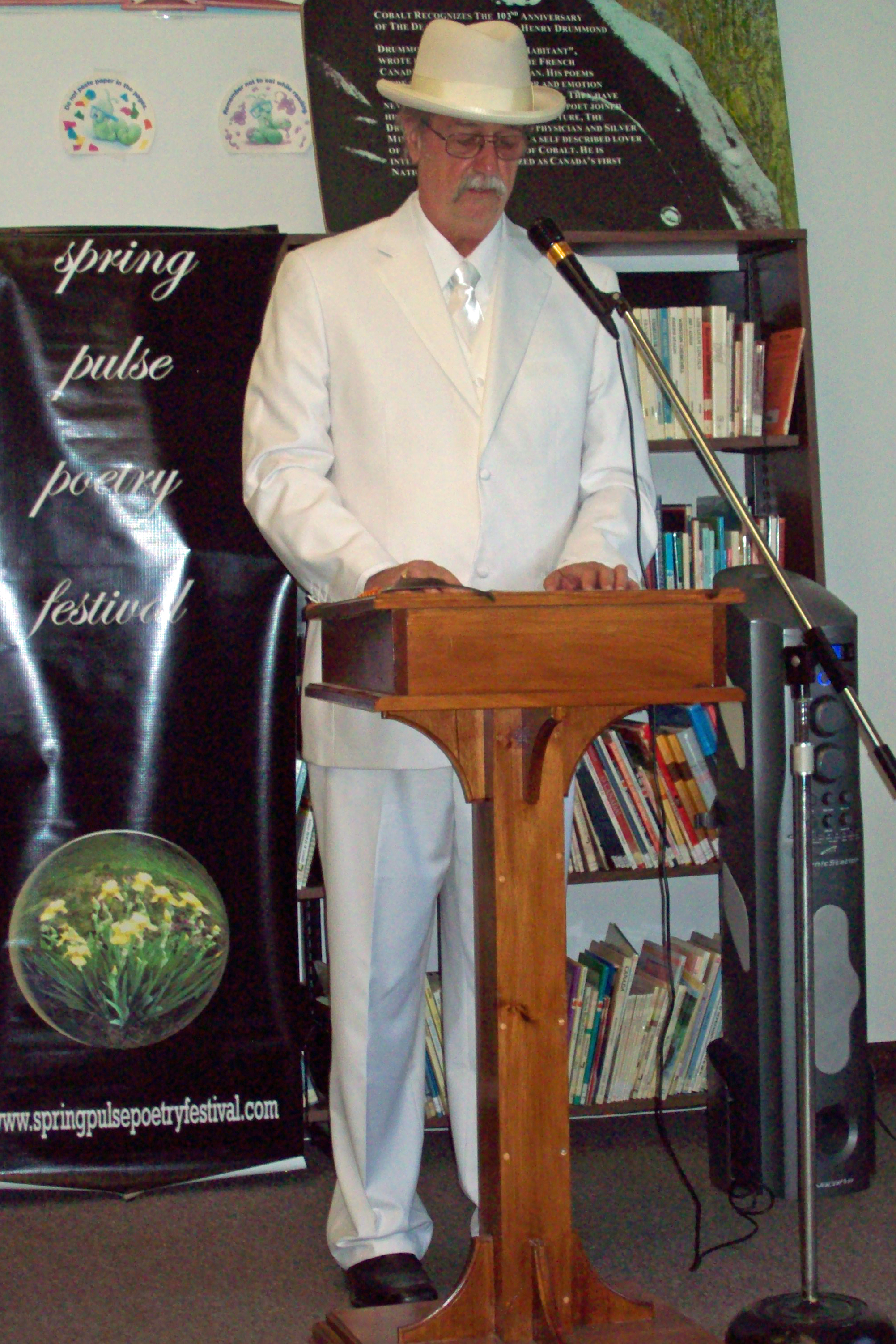
Entering poetry contests can be fun. Here the ghost of Dr. William Henry Drummond appears during a contest winners reading in Cobalt, Ontario last spring 2014.
Entering poetry contests can be fun. Here the ghost of Dr. William Henry Drummond appears during a contest winners' reading in Cobalt, Ontario last spring 2014.
I will, however, gamble or (in softer terms) take a chance with poetry contests. Below are a dozen reasons why I believe entering literary competitions can be beneficial for a writer. Keep in mind, there are also drawbacks and some writers may have varying opinions based on his/her own experiences and viewpoints. I welcome your thoughts and feedback.
  1. Contests provide a deadline. Some writers work better under pressure. Deadlines can motivate some poets into action. It helps me focus.
  2. Contests encourage writers to dig deep into their files for old poems to tweak or word snippets to expand and nurture. Recycling is good for the environment.
  3. Contests nudge writers to explore new themes or poetic forms. Some will jump start new poems. For example, some contests like The Binnacle’s Annual International Ultra-Short Competition seeks poems with 16 lines or less. (Deadline March 15, 2015.) The Betty Drevniok Award 2015 organized by Haiku Canada seeks work based on the three-line haiku format. (Deadline February 25, 2015.) Earlier this month, The Malahat Review was accepting submissions of a single poem or a cycle of poems that was between 10 to 20 pages long for its 2015 Long Poem Prize.
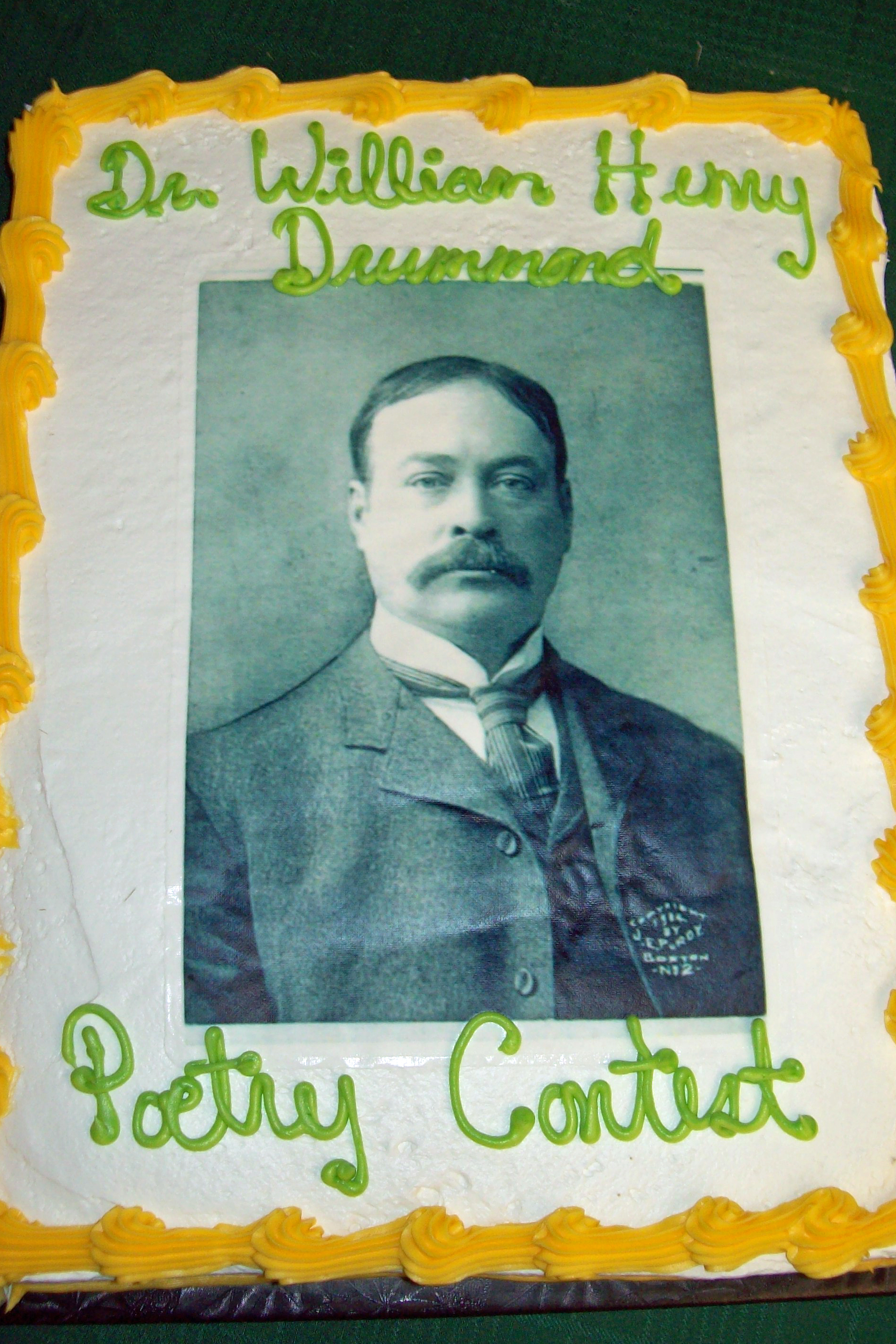
    The Dr. William Henry Drummond Contest is an annual contest held in conjunction with the Spring Pulse Poetry Festival in Cobalt, Ontario. Contest submissions for this year must be postmarked by February 27, 2015
    The Dr. William Henry Drummond Contest is an annual contest held in conjunction with the Spring Pulse Poetry Festival in Cobalt, Ontario. Contest submissions for this year must be postmarked by February 27, 2015
  4. Contests can introduce you to organizations and magazines that you are not familiar with. HINT: It’s vital to research an organization and magazine to not only ensure the contest is legitimate but to get a feel for what that particular market might be looking for. For example, if you are a Canadian poet, seek out professional national organizations like the Canadian Authors Association, The League of Canadian Poets and the Writers Union of Canada or provincial organizations likeThe Ontario Poetry Society. Check out what contests these members are submitting to. For example, The Dr. William Henry Drummond Poetry Contest was established as part of the annual Spring Pulse Poetry Festival held in Cobalt, Ontario. (Deadline: February 28, 2015.) Also consider contests organized by established magazines affiliated with universities.
  5. Contest fees help support literary organizations and magazines that might not be able to survive otherwise. HINT: Set an annual budget. Be firm with the total amount of fees you wish to spend spent and establish the number of contests you have time for. Make sure the contest isn’t a scam. It should be affiliated with a well-known organization and/or has a reputable judge. Remember some contests like those organized by The Binnacle and Haiku Canada are free so they fit well into a poet’s budget.
    The Binnacle Annual International Ultra-Short Competition is a free contest that seeks poems with 16 lines or less. This year’s deadline is March 15, 2015.
    The Binnacle Annual International Ultra-Short Competition is a free contest that seeks poems with 16 lines or less. This year’s deadline is March 15, 2015.
  6. Some contest fees include the subscription of a literary magazine. This provides valuable market research and reading material. HINT: If you are planning to purchase a subscription, why not spend a few extra dollars and enter the magazine’s annual contest?
  7. Contests can introduce you to judges and established writers who you are unfamiliar with. HINT: It’s beneficial to study a judge’s work prior to entering any contest.
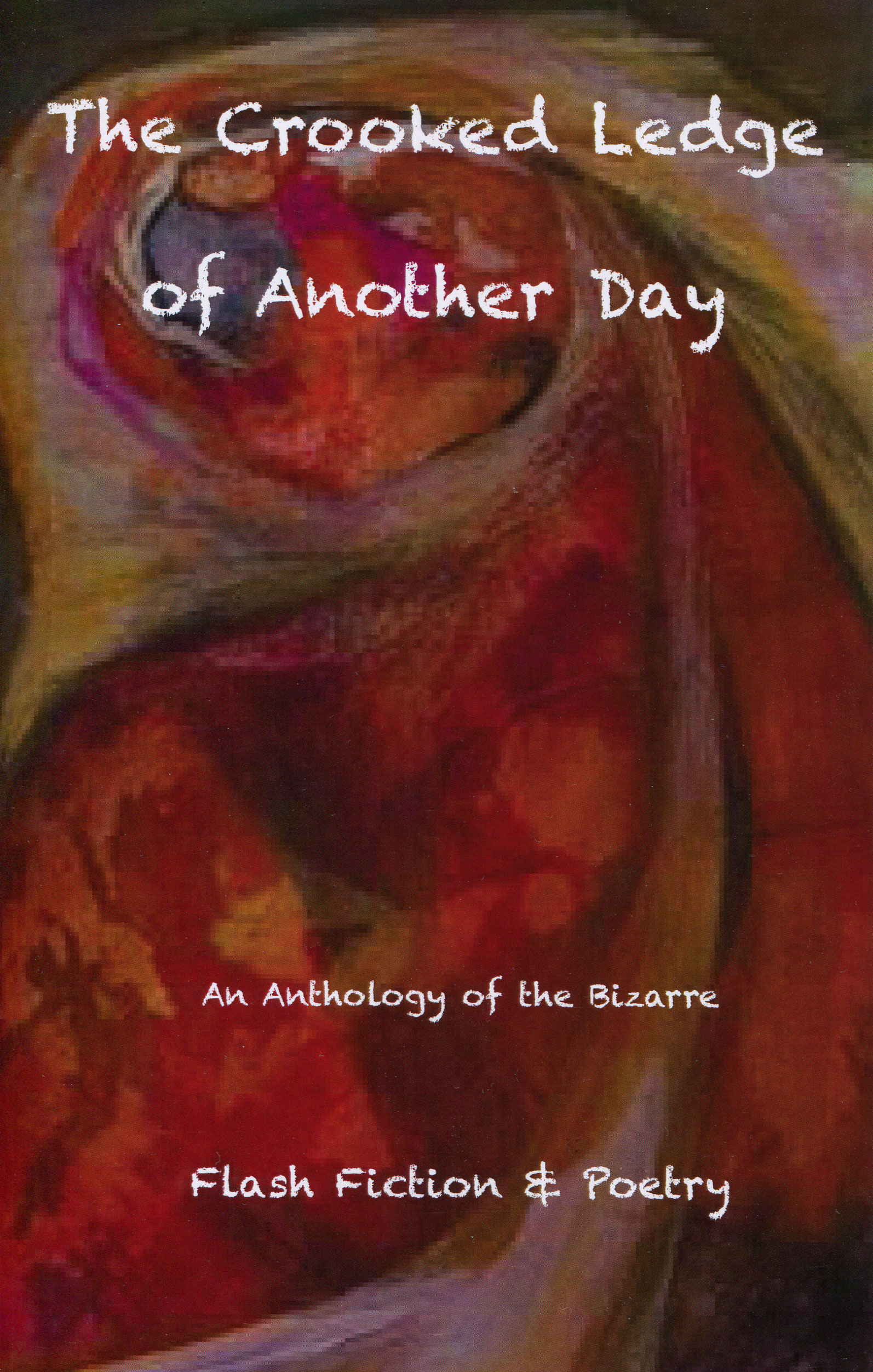
    The Crooked Ledge of Another Day: An Anthology of the Bizarre spotlights the results of Ascent Aspirations Publishing’s 2014 poetry and flash fiction contest.
    The Crooked Ledge of Another Day: An Anthology of the Bizarre spotlights the results of Ascent Aspirations Publishing's 2014 poetry and flash fiction contest.
  8. Contests can introduce you to names of past winners.HINT: One way to improve your writing is to read what other poets are writing and if possible read winning poems to determine what makes them unique or award-winning.
  9. Contests teach us about sportsmanship. Not all poems entered into a contest will win a prize. That’s the reality of both contests and general submissions. Poets like writers must develop a tough skin. Just because a work is rejected does not mean it is a poorly written poem. What one judge may dislike, another judge may treasure. The key is to keep submitting. If the work is rejected take a closer look at the poem. Should it be rewritten? Should it be work shopped with other poets? Or does it belong in a different market? Treat this as a learning exercise then move on. Even the best writers receive rejections but they continue to submit their work.
  10. Surprise, surprise. Sometimes, a poet’s submission does win a prize. If you never enter a contest, you may never experience that unexpected joy of accomplishment. Each year, a Canadian and an International writer will win the $65,000 Griffin Prize for Poetry, “the world’s largest prize for a first edition single collection of poetry written in, or translated into English, from any country in the world.” The publicity surrounding this Prize has also been known to increase book sales. However, even smaller prizes can draw a publisher’s or reader’s attention to a poet’s work.
  11. Contests can reward contributions with the publication of a poem even if the work is not awarded a top prize. For example the Niagara Branch of the Canadian Authors Association will publish not only the top winning poems from their annual contest but will include honourable mentions and judge’s selections work in their Saving Bannister anthology. Ascent Aspirations Publishing also has an annual anthology where top prize winners are published with other selected work.
    The Niagara Branch of the Canadian Authors Association organizes a provincial contest for Ontario residents. Their 29th Saving Bannister poetry anthology was launched last autumn 2014. Submission guidelines for their 30th poetry contest will be announced soon.
    The Niagara Branch of the Canadian Authors Association organizes a provincial contest for Ontario residents. Their 29th Saving Bannister poetry anthology was launched last autumn 2014. Submission guidelines for their 30th poetry contest will be announced soon.
  12. Finally, entering a contest is just plain fun. For example, every April, the literary magazineContemporary Verse 2 hosts the CV2 Two Day Poem Contest. Registered participants receive 10 words at midnight Friday and then the new poem using those 10 words must be finished and submitted two days later. It’s a great activity for National Poetry month.
What are your reasons for entering or not entering a contest? Feel free to leave a comment or share this posting with your literary community.

Saturday, February 14, 2015

JAMES DEAHL


         There will be a National Poetry Month celebration in Hamilton for both Under the Mulberry Tree and the Lummox anthology. Here are the details:

DATE:       Sunday, April 19

TIME:        2:15 – 5:30

PLACE:     Artword Artbar
                  15 Colbourne Street
                  Hamilton

READERS: An All Star Cast!


This should be a magical literary event in The Hammer.

Tuesday, February 3, 2015

WILMA SEVILLE

Seasons of my Life


My feet crunch on icy snow
white clouds, grey underbelly
hover over my bowed head  
ready to dump more white stuff


sun sinks on horizon
ice and snow shimmer
footsteps etched on lake
naked trees shiver in wind


utter silence as I walk
beside Lac St. Louis
fond thoughts of times gone by


I’m “home” for a visit
to touch base with my roots
deep in Lachine soil


black ice underfoot, I slip  
why did I come in winter
temperatures twenty below
a need for boots, overcoat  
scarf and warm mittens?  


Shivering, I walk fast
anxious to get to my cousin’s
place - a haven for me
a return to “home”


We sip hot chocolate
my glasses steam up
we reminisce of 50 years ago


back yard gardens
vegetables & flowers
my favourite spot
the wooden playhouse
which overlooks the lane


new life in Spring
feathery leaves burst out
on gray tree trunks
crocuses & daffodils
lily of the valley thrive.


neighbours venture outside
call greetings and stop to chat
streets and sidewalks alive
with kids playing games
rugby, marbles, hop scotch
skipping and Mother-Mother, May I?


streetlights come on, time is up
hands grip bike handles
strong legs pump - head home


Shad flies, mass together  
mesmerized by light poles
fall victim to man’s wheels
crunch underfoot as I walk


stench overpowers nose
they lie thick on ground
impossible not to step on them
I shudder as I hear them pop


through the lane I race
as the train from Montreal arrives
familiar smells at Lachine Station
I’m glad to see my Dad

summer in Lachine, lazy days
school over - freedom!
summer cottage in Ile Perrot
swimming twice a day
hair washing in the lake
ivory soap floats away  


row boat takes me far
oars dipping into the coolness
of the lake, solitude I desire
to think and to pray


Inner tube on gentle waves
lulls me, refreshes me
peace reigns on this sunny day


all too soon, September here
school days begin again
easy living of summer gone


it’s Halloween, how exciting!
I don my cherished outfit
trick or treat with friends.
bob for apples or sing a song
in the hope of getting a treat
Scene after scene comes
as we walk together down memory lane


tramping through deep snow to the Pier
to pick out a Christmas tree.
decorated tree sparkles with tinsel
photos taken of starry-eyed children
wrapped gifts sit mysteriously
waiting for Christmas day.


our hot chocolate finished
we call it a day, climb the stairs
bid each other a good night
to dream, perhaps, of times gone by.

Copyright(c)WilmaSeville 2015


Editor's note: This poem was written for an on-line group of people from my home town. I have enjoyed writing it and hope that it resonates with others.

A further note, so far on the Lachine group I have had so many good comments on this poem. I am so thrilled that it resonated with so many people. It made my day!

Sunday, January 25, 2015

JERRY JORDISON


The Cancer won’t Die

I’ve never seen such indignation in my son, Joe, the day he returned home from Afghanistan in a wheel chair.

      He said he could accept the loss of his right leg from an IED (improvised explosive device) but what he couldn’t accept was the way he was treated. Yes, he had excellent physicians at the hospital and the government supplied him with a powered wheelchair, but what got stuck in his craw was the fact he was treated like any other soldier, while his buddy, Jack, who was killed with that same IED, was declared a ‘hero’

.
Joe was born in Moose Jaw, Saskatchewan and his best friend, Jack, moved there from Pond Inlet when he was five. They went to the same school and played ‘Cowboys and Indians’ together. Jack would come to our house for sleepovers on special occasions and even if there were no special occasion. I remember when Joe was in grade seven; I had a call from the principal. He told me Joe was caught bullying a younger student. That didn’t make sense to me, as Joe never displayed that kind of behavior at home. I went to the school for a meeting and discovered my son wasn’t the angel I thought he was. Apparently Joe would feed off of Jack and vice versa.  My husband and I punished him with suspension of privileges, but in the long run it didn’t help.

            During High School he got involved with some ‘wrong’ friends and was arrested one night for joy riding in a stolen car. He spent one night in jail and was given a suspended sentence. We gave him all of the love and support that we knew how, but he grew angrier towards the world. Jack remained his friend and followed in his footprints.

            My husband, Frank, is an electrician and tried to get Joe interested in his line of work. He wouldn’t have anything to do with it. All he kept talking about was hoping he would be eighteen soon so he could join the army. Six weeks after Joe celebrated his eighteenth birthday, Jack celebrated his, and they both went to the recruiting office to sign up. They were excited about the possibility of seeing real live action in Afghanistan.

            We didn’t hear from Joe for six months or so. Then one day he actually wrote us a long letter telling us about how severe his training was. How his Sergeants constantly yelled at all trainees. How he didn’t have any freedom. He had to learn to follow orders without question. He complained about having to get up at 6:00 in the morning and be ready for inspection by 6:30. He ended his letter by saying that it was ‘nicer at home’.

            The letter made me feel good. He was getting a taste of the real world and was starting to realize how good he had it at home. I could sense a little bit of maturity. I wrote back telling him what was happening at home and offering support for his difficulties during training and telling him to look for the light at the end of the tunnel, so to speak. He kept writing almost every month about his experiences in the military.

            On his first leave he came home. We welcomed him with a hug and he hugged back. He actually apologized for the turmoil he put us through when he was growing up. I was certainly proud of him.

            After he completed his training he was called to serve in Afghanistan. He was full of excitement as he boarded the plane for his first assignment. Joe felt he was well trained and was looking forward to some action.

             Nine months later we received the call that he was injured while on patrol, and that he was coming home.

            “I’ve been doing a lot of thinking laying in the hospital bed,” he said. “I’m lucky that I’m still alive. Jack wasn’t so lucky. I had expected to experience the excitement of active battle, like I saw in the movies, but all we did was go on patrol showing our presence to the Afghan people. Most of the Canadians who died were killed by IED’s, not active battle.”

            “But you were defending our country. The boys who died made the supreme sacrifice for freedom,” I replied.

            “Sure, that is what they want you to think. I didn’t feel like I defended our country. It was never really in trouble.”

            “If we didn’t enter the war wouldn’t the Terrorist take over Canada?” I asked.

    “I don’t believe it! We joined the stupid ‘war on terror’ because we wanted to be just like those crazy Americans! They caused the twin towers disaster, themselves, because of the ‘holier than thou’ attitudes that make other cultures mad. Then those big bully Americans had a perfect opportunity to get even and show their big bully muscles. And our government, of course, wants to be just like his macho hero in the playground. There was no real reason for that war.”

            “Well, I really do think wars are useless. By this time in history, you’d think we would figure stuff out with common sense discussions.” I conceded, thoughtfully.

            “You’re right, Mom, wars are useless. However we get caught up in them and made to feel we are doing something important. I’m beginning to see it as a cancer that won’t die. The military pretends the dead soldiers are heroes and give them a hero military funeral. I think it is done mostly out of guilt. They offer false pride to young people. I think they try to placate the governments’ conscience by pretending the dead soldiers are heroes.”

            “You can’t insinuate that? Those boys died for our country and are heroes. I wear a poppy every year in remembrance of all of the soldiers who died for our freedom.”

            “How about me, Mom. The army doesn’t call me a hero. I lost my leg because I was walking close to Jack, who stepped on the IED. It was a fluke accident. Jack is no more a hero than I am.” I didn’t join the army for any noble reason to defend our country. I joined it because I wanted adventure and the thrill of aggression.”

            “Do you think most men join for that reason?”

            “The ones I met certainly did. We secretly wanted the girls we saw soldiers get in movies. That didn’t happen though. Being a soldier is just another job, like being a truck driver. Probably as many truck drivers die in truck accidents as are killed in our job. The world is full of platitude gossip. In reality we are just pawns in the hands of the Generals.”

            “How did you get so bitter, son? Our military is a great organization, keeping our country safe.”

            “We have been conditioned to believe that, throughout history. Our whole history is one war after another fought to get power, and land. Others are foolishly fought over religious belief. When you get right down to it, the only purpose they serve is to keep the population down and to make the manufactories of weapons rich.”

            “You need to keep a positive attitude, Joe. You’ll get yourself in trouble if you keep thinking that the propaganda of war is a cancer on society.”

            “If we keep thinking about war we will manifest it. We need to start thinking about peace and bring that into existence.”

            “You have a point there, Joe. When did you begin to be so wise?”

            “Maybe that is one good thing about joining the military. A person sees the reality of war and begins to realize the futility of it. If you think about it, making heroes out of soldiers is like cheering the gladiators in the ‘sport’ of killing, or congratulating the matador for slaughtering the bull. Are we any different than the terrorist extremists who ‘sacrifice’ their young men with the reward of virgin sex in heaven, and martyr-hood? We give our dead soldiers a military funeral – a casket draped in a flag, and their name on the hero-board in a park, along with the propaganda of pride.”

            “And we think we have evolved beyond the brutality of the past. You have certainly shaped war into a different perspective for me.”

            “One other thing that irritates me. What do we call all of the innocent public, the women and children, who die because of our bullets? Are they heroes too? How about the ‘enemy’ soldiers we have killed; are they heroes as well? If we want to be a hero we need to fight against the machine of war. We are definitely being brainwashed to justify wars. Now we have to find a way to justify peace.”

            “The way you put it, it will be more and more difficult to want to wear that poppy on Remembrance Day. It seems as if the military treats soldiers as the sediment, the dregs, of society.”

            “Yes, but they pretend there are the cream of the crop.”

            Joe turned his wheelchair and headed out to the back yard. I could see his eyes water as he starred at the old apple tree.

Monday, January 19, 2015

Sunday January 18,2015 - Tower Poetry Book launch

In spite of the cold weather, people journeyed out to Dundas, Ontario for the book launch of the winter edition 2014-2015 of Tower Poetry.  Tower has been in operation since 1951 and is one of the oldest poetry groups in North America from what I understand.

It was again held in the lovely venue of Carnegie Gallery in down town Dundas. The gallery had set up the chairs and podium in a way which just emphasized the cosiness and intimate setting.  We are so fortunate to be allowed to have our winter book launch there surrounded by the beauty of paintings, pottery, hand crafted jewellery, just to name a few of art works available there for purchase.

The Master of Ceremony, George Down, Editor in Chief of Tower Poetry welcomed everybody to the event and introduced each poet with a short bio.  Our President, Fran Figge also spoke words of welcome.

George Down explained the process of how the poems are chosen from the more than 200 entries sent in from all over the world.  It was very interesting.  It is quite an honour to get a poem into the book as only forty poems are included.

We were especially touched to see our friends from Sarnia, Ontario join us for this occasion.

The readings started a little after 2 p.m. with a short bio for each poet read by George Down and then the poet read their poem which was included in the book.


Fran Figge - President of Tower Poetry

Susan Davis - designer of the front cover and poet

Joanna Lawson

Our Master of Ceremonies was George Down who is the Editor in Chief.  He gave the assembled audience a run down on how the poetry is judged by the committee of judges.  He has the final say.  Tower gets poetry from all over the world.


Debbie Okum Hill - Sarnia group

Jeff Seffinga - former Editor-in-Chief

Valarie Nielsen - former president

Norma West Linder -  Sarnia group
It was truly wonderful to see our friends from Sarnia drive all the way here to join us in this lovely book launch.  We were all able to catch up on each other's news after the readings while we were enjoying the refreshments.

The Sarnia group were invited to read several poems as they had travelled so far to come and join us.

Wilma Seville

Janet Turpin Myers

James Dheal - Sarnia group

Jennifer Tan

Jim Tompkin


Two other poets read their work but unfortunately, no pictures are available at this time.

All in all, a lovely event and well attended.  Carnegie Gallery is a beautiful spot to hold a book launch.


Thursday, January 15, 2015

DEBBIE OKUN HILL

Sunday, January 4, 2015

WILMA SEVILLE

In this time of new beginnings, new year, new resolutions, here is a poem about a new life born during the Second World War.  Times have changed now but that is how it was back then.


SUSAN’S  MOTHER                                                           

Sixteen years old
That’s all she was
When pain and sorrow
Came to call

No more than a child herself
Caught up in uncertain times
Nazi Germany gobbling Europe
England threatened, our boys gone.

Moments of passion
Tingled with anxiety, grief
Fear of separation, death
Life changed, a seed was sown.

Long months without a word
Slender body changed
Morning sickness
Shock, anger amongst family.

In shame, she was sent away
To hide from folks around
Until her time would come
She would be with Aunt Jayne.

The day of reckoning came
When the child was born
No friends, relatives gathering
To welcome the little one

Instead, the new Mom left
Bereft of newborn child
Sorrowing heart, aching void
Scarred for life- always wondering


©2010WilmaSeville